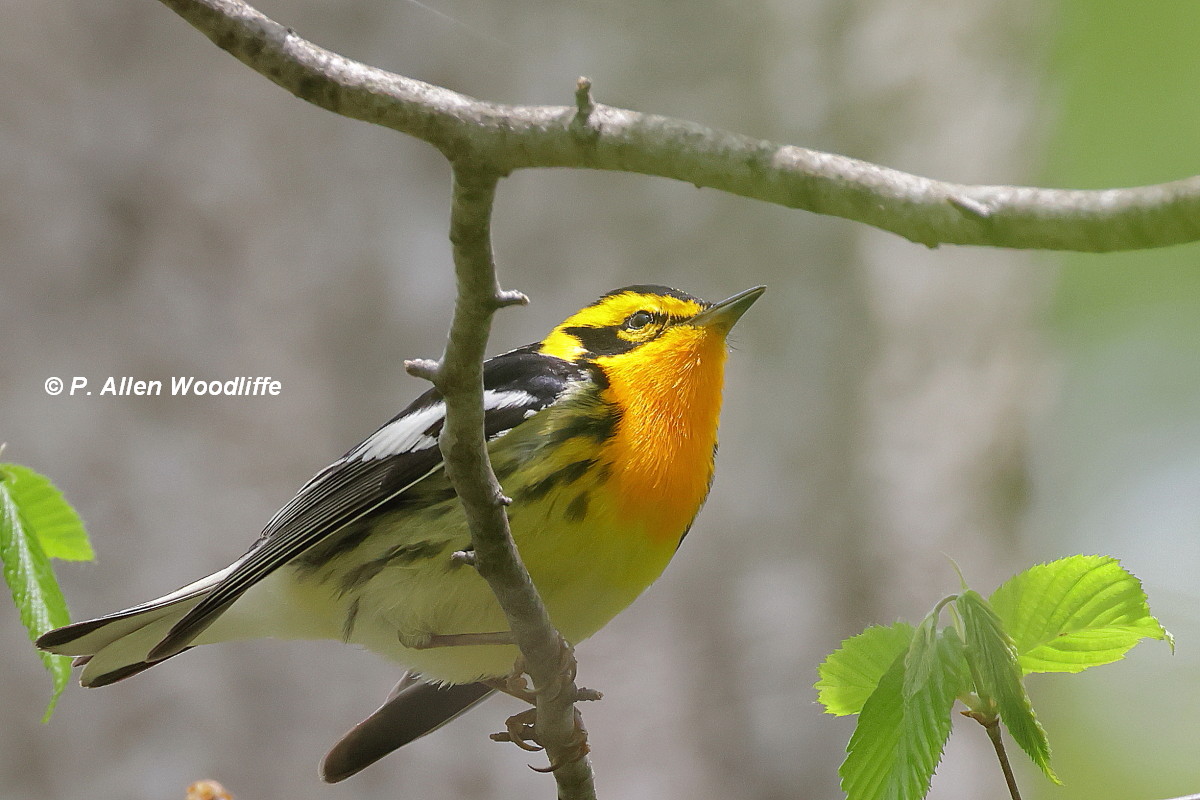
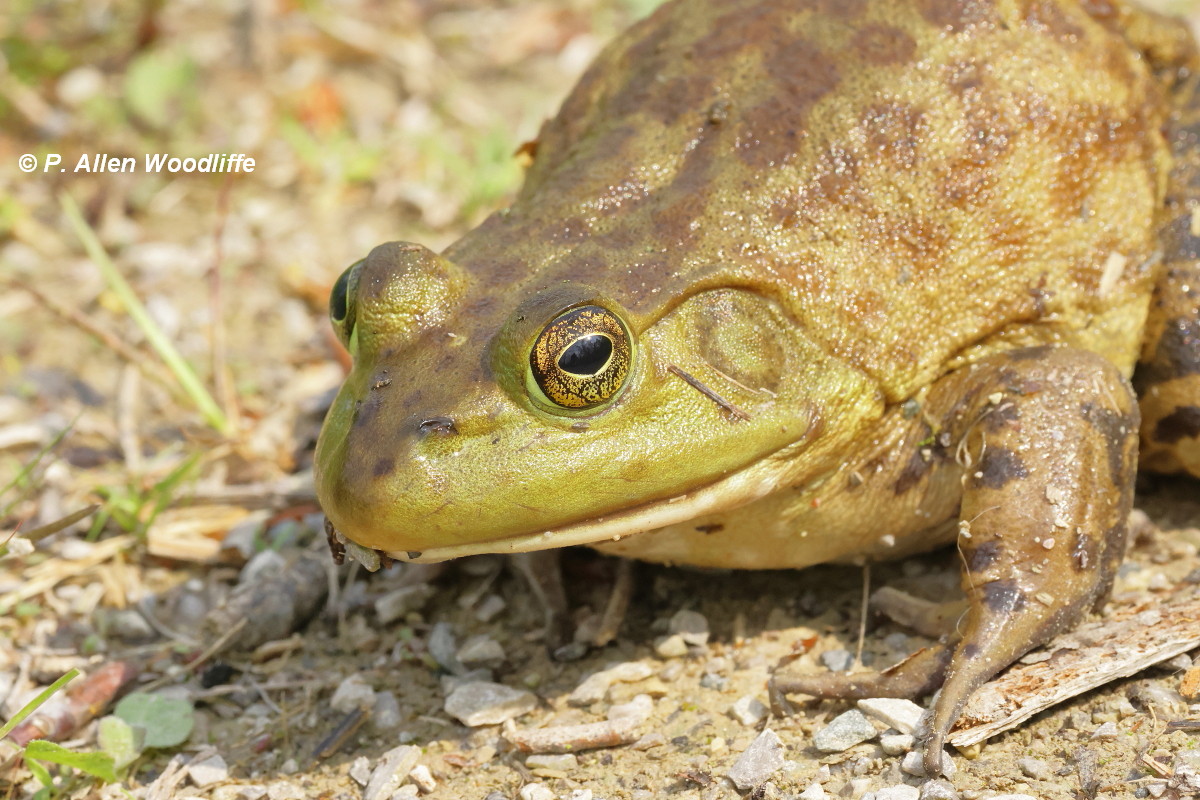
Time to give some of the birds some profile, since May is well known for peak bird migration.
As usual, most of my outdoor excursions are at Rondeau, with St. Clair NWA and Mitchell's Bay North Shore Trail getting some of my time as well. However May is a more challenging time for me these days, as it was two years ago that my wife and best friend was on a significant decline, resulting in her passing away on May 26. I'm still getting used to the new normal without her :-(
Getting out into some of the places she and I explored have been good, although there are mixed feelings to deal with.
Black-and-white Warblers are a relatively early warbler to appear....
...and Blue-grey Gnatcatchers are as well. They are hard to get photos of as they flit about fairly constantly.
 |
| Chestnut-sided Warbler |
One of the most abundant species of shorebird in the spring is this next one, Dunlin, and it is easy to get many photos of them as they can be fairly tolerable.
Flycatchers are becoming more abundant, such as this Eastern Kingbird.
One of the highlights, bird wise, in the last couple of weeks was the appearance of a Lark Sparrow at the north end of Rondeau. I was out that day, and heard second-hand information on it, but never tracked it down. This is a photo of one I took a few years earlier, at Erieau.
House Wrens are abundant, and you hear their chattering throughout the park and elsewhere. I came across this pair, with the male busy chattering away...
....and presumably the female was gathering nesting material.
Greater Yellowlegs continue to show up along wetlands and lake shore edges....
...and Great Egrets are in increasing numbers, especially not far from their nesting islands out in Lake St. Clair.
A short distance from home is a woodlot well-known for harboring a pair of Great Horned Owls. This first photo shows an adult perched high in a tree, watching over one of its recently fledged young, shown a little lower.
Yellow-rumped Warblers, next, continue to be one of the more common warbler species to see.
A friend of mine along Lake St. Clair has feeders out, and Yellow-headed Blackbirds that nest in some of the outer cattail islands are regularly seen.
In the more wooded parts of Rondeau, things like a few Veerys can be seen...
...as can a relative of theirs, the Swainson's Thrush.
Back to shorebirds for a sec, here is a Least Sandpiper....
...and a Semi-palmated Sandpiper.
Sandhill Cranes continue to be found, or at least heard, fairly regularly in large areas of wetlands.
Right near this Sandhill Crane was a Common Gallinule, a species one hears in wetlands more often than actually seeing them.
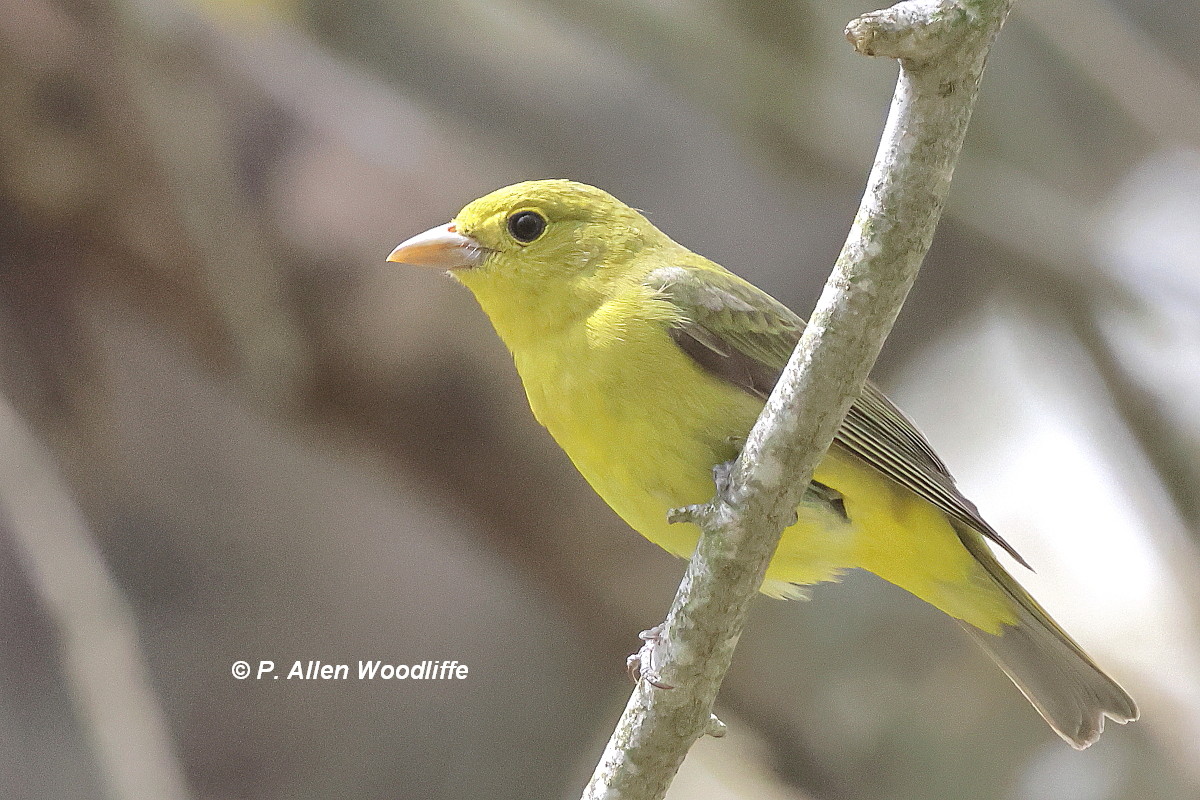
A recent hike around Tulip Tree Trail resulted in getting a good photo of this Scarlet Tanager...

....and earlier, a Red-headed Woodpecker...
...as well as a Red-bellied Woodpecker....
...and Rose-breasted Grosbeak.
Magnolia Warblers migrate through in low numbers, as they are headed for much more northern breeding sites.

Always a highlight in spring, is to come across a Prothonotary Warbler or two. This cooperative male was seen along Bennett Ave in Rondeau, and I got lot of photos of it as I watched it with some friends, for more than an hour and a half. I may be devoting a special blog or two on this species in the future especially as it pertains to Rondeau.
On another hike along the west South Point Trail, I had this male Pileated Woodpecker almost fly into me, but it veered off and perched on this tree trunk. It didn't seem to want to move off very quickly, so I waited patiently and after watching it for about 8-10 minutes, it flew off a bit, but just a short distance to a dead tree trunk with its nest hole. I watched as it poked its head in and out 2-3 times and then crawled right inside. The nest hole is not in a very good location for future photography attempts, but I may try.
Baltimore Orioles are heard frequently throughout the park, although this female wasn't saying anything...
...but just moved around a bit to give my camera different views.
Northern Harriers usually are seen flying low over wetlands, but this one was fairly high and flew right over my head, showing the very white under wing of this male.
Elsewhere in wetland edges one can find Lesser Yellowlegs...
....and the much smaller Least Sandpiper.
One of the shorebird highlights for me was to see as many as 4 Wilson's Phalaropes at the Blenheim Sewage Lagoons. The well marked female, show first, was not willing to come very close to me....
...but I had a couple of the less vividly marked males come fairly close by. Seeing one or two is considered good, so to see at least 4 was definitely unusual. Someone a few days earlier had seen as many as 14! Many years ago I found a nest of this species at the lagoons, as far as I know, the only nesting of this species within the Rondeau checklist area.
The nesting season has already gotten underway, as I showed a bit earlier regarding the Great Horned Owl and the House Wren gathering nesting material.
Canada Geese are early nesters as well, and there are lots of families of them in the local wetland areas.
Next is a bit of an unusual sighting. It is of a Yellow Warbler building a nest in a maple sapling, well in the interior of the Rondeau forest! Normally this species nests near wetlands and in shrubby areas, but this one didn't want to follow the crowd.
If you want to subscribe to Nature Nuggets, send an email to: prairietramper@gmail.com