Showing posts with label Appalachian Brown. Show all posts

Monday, 17 July 2023

Some Species At Risk birds and their related habitats

 It has been an interesting last few days. I've been out doing some grassland assessment for certain types of birds, and just wrapped up the second of two visits at two different sites, a few days ago. Each visit was about 10-12 days apart. Most notable at the one site was the promising number of Bobolink, one of the target species, and officially a Species At Risk.

The males still look quite distinctive in their typical breeding plumage.

There were several dozen Bobolinks, but at this time of year the number of fledglings certainly add to the overall total. They look very similar to the adult females, and in just a few weeks, the males will look more or less to be in the same, duller plumage as well.
As they flew around, they often landed in the grasses which bent under their weight, and then they were hard to see, and even harder to photograph. I got a lot more culls than keepers!
On occasion one would be sitting up nicely.....
...and sometimes had a caterpillar or something in its mouth, indicating they were still at the feeding young stage.

Other birds were utilizing the grassland habitats, including:

Common Yellowthroat

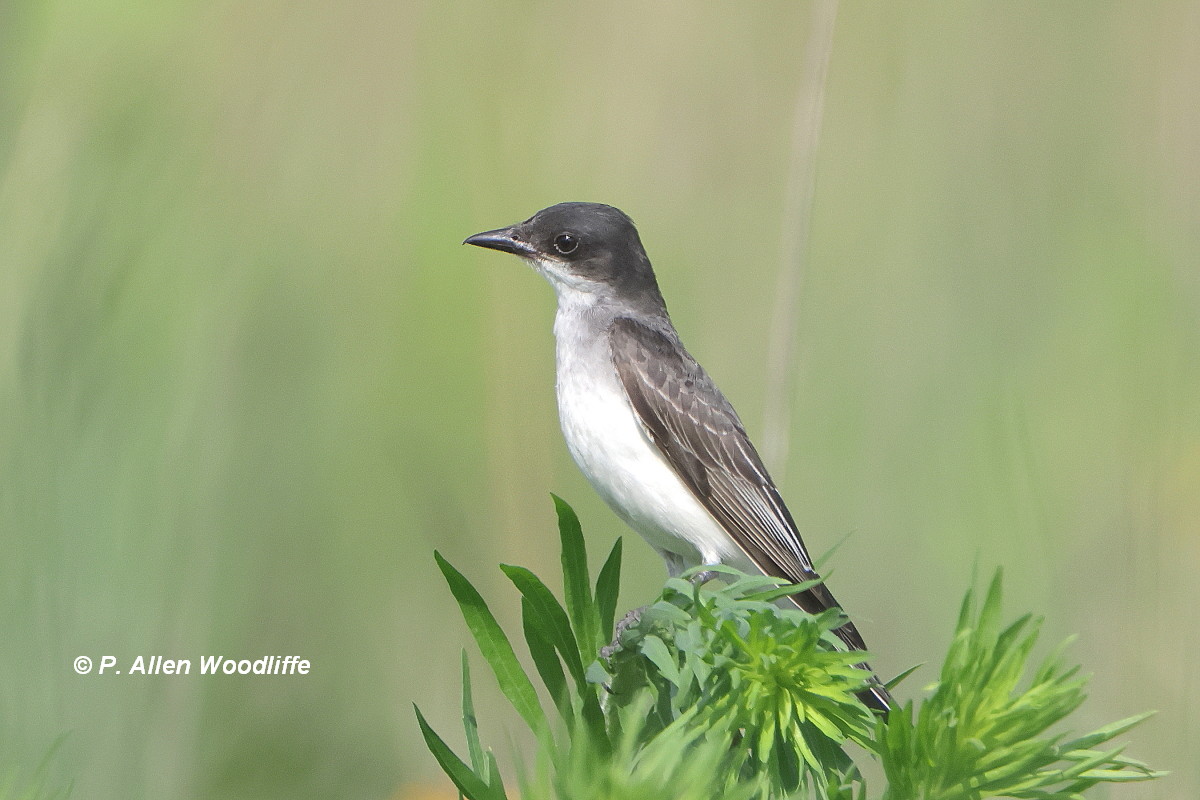
Eastern Kingbird

Song Sparrow
Along one of the shrubbier sections of the site was this Willow Flycatcher.

The grassland habitat varied. Some parts still had stems from the previous years growth quite visible, and it was here were most of the breeding bird action was.

Areas that for some reason had been matted down over the winter, showed a delayed growth, and so it was likely less appealing to the grassland birds when they returned this spring. There were very few birds using this shorter grass habitat.
Interspersed amongst the grasses were some prairie wildflowers, such as Ohio Spiderwort, one of my favourite grassland species.

While I was concentrating on birds, I couldn't help but notice some butterflies, including this Great Spangled Fritillary, a little worse for wear.....
...and given there were hundreds of milkweed plants, often in fairly dense clusters, it was a magnet for Monarchs.

Of course I have been at Rondeau on occasion, sometimes leading a tour for folks associated with the University of Windsor, but sometimes just on my own. One of the highlights was to find this Acadian Flycatcher on a nest.

As good as this find was, it was disconcerting to see the leaves right beside the nest, which tells of a questionable future. The leaves show a serious bout of Beech Leaf Disease, which is causing many American Beech trees to be in major decline. There are more than a few Am Beech trees in the park already dead, with virtually all of them in the park showing at least some signs of being affected. This will play havoc with the future of Acadian Flycatcher in Rondeau and other woodlots, as it nests almost entirely in these beech trees. On occasion they will nest in a Sugar Maple, but that is the exception. It does not bode well for this endangered bird species here in Ontario.

While some birders have reported more than one pair of Acadian Flycatchers along this Tuliptree Trail, I discovered that some people were attributing an Eastern Wood Pewee nest, shown next, to be that of an ACFL. The nest of the EWPE is typically on an open branch of various kinds of trees. At one point I actually saw an adult EWPE perched on the side of this nest, even though it is a bit dilapidated.

It is not in the fork of an Am Beech. They are both members of the flycatcher family, but quite different in many respects.

Eastern Wood Pewee
At one point I noted what I believe to be Fan-shaped Jelly Fungus on a log in a slough.
On another trail, I came across a cooperative Eastern Kingbird....
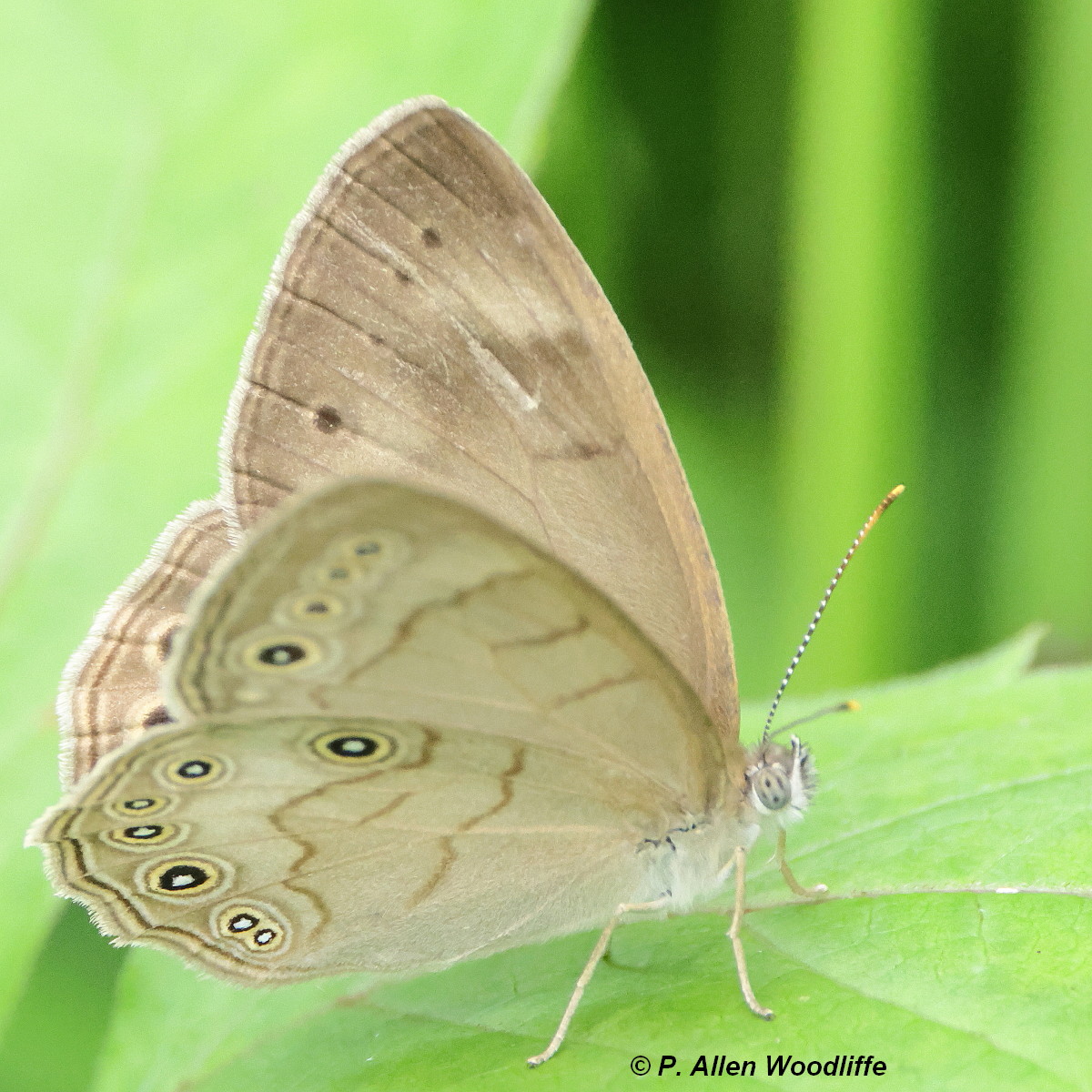
..an Appalachian Brown butterfly.....
....and a young Eastern Cottontail.
On another occasion I made a trip out to Clear Creek Forest Prov Park, for some forest photography on an overcast, relatively calm day. I was fairly happy with some of the photos I got.

While I was there, I wanted to see if there were any dragonflies to photograph in the old quarry on the north side of the forest. Due to the cool day with heavy cloud cover, there was hardly a dragonfly to be seen, so maybe next time!


If you want to subscribe, or unsubscribe, to Nature Nuggets, send an email to: prairietramper@gmail.com


Wednesday, 6 July 2016

Preview of a butterfly count

'Tis the season for butterfly counts. Several in southwestern Ontario have already taken place, and the Rondeau one is coming up this weekend. In preparation for it, I have been out scouting around a bit to see what to expect. With the drier than normal weather, early indications are that butterfly diversity and abundance is down from normal.

Patches of Common Milkweed (Asclepias syriaca) are well known for their attractiveness to butterflies. I visited a large patch a couple of days ago. This area is affectionately known as the Dillon Dump, as it was used as a temporary holding place for debris such as brush, branches, stumps, etc before they were burned. It is located along what remains of the former Dillon Trail, which used to be a driveable road across the southern part of the park. The entire route is next to impossible to find now unless one is quite familiar with the layout of it, and one has some good high rubber boots. Regardless, this open area near the beginning and driest part of the Dillon Trail is now dominated by Common Milkweed. If there was one plant, there had to be at least 1000, and many of them were in some stage of flowering.
Partial view of the Dillon Dump area

Needless to say, this is a hotspot for butterflies. By far one of the more common ones on this occasion was Silver-spotted Skipper, the largest skipper we have. There must have been 50 or more.
Silver-spotted Skipper
The next image shows a view of the Silver-spotted Skipper that one doesn't see nearly as often as the one in the previous image.

There were some smaller skippers around...mostly European Skippers, and some other small butterflies such as Summer Azure, which I didn't photograph. But there were larger butterflies on the wing, such as this Eastern Comma.
Eastern Comma
 The comma is more obvious on the underside of the wing.

Great Spangled Fritillaries were there as well, although the handful I saw all seemed to be a bit faded and not very fresh looking. This one is a little battered as well, with its right hind-wing showing some wear and tear.
Great Spangled Fritillary

Eastern Tiger Swallowtails were noticeable due to their size and flashy colours. There were at least 8 of them there.
Eastern Tiger Swallowtail

There were a few Little Wood-Satyrs around.
Little Wood-Satyr

A couple of Appalachian Browns were there, one of which was quite fresh looking as well as being cooperative.
Appalachian Brown
With all of the milkweed, I was hoping for a good number of hairstreaks. Alas, I only saw one....this Banded Hairstreak, below. With all of the oaks in the vicinity, I was sure there would be more, which there likely were. However they can be surprisingly difficult to see if they are on the far side or underside of a flower head, and they don't seem to fly as often as many other species of butterflies, so can go unnoticed. This site is in Blake's territory, so undoubtedly he will find a few and maybe some other hairstreak species as well. (By the way, Blake....be prepared for chiggers).
Banded Hairstreak
There were a few dragonflies zipping around, but not a lot of diversity in them. By far the most common one was this White-faced Meadowhawk.
White-faced Meadowhawk


There were other species of milkweed in the area, including Butterfly Milkweed (Asclepias tuberosa).
Butterfly Milkweed

For some reason there weren't any butterflies on them while I was looking.

Another milkweed nearby in the grassy beach dunes is Green Milkweed (Asclepias viridiflora). It isn't very colourful, and I have not seen butterflies on them....only ants.
Cluster of Green Milkweed


Sunday looks like a decent day for the butterfly count.....mostly sunny, with temperatures ~28C so hopefully there are lots of butterflies.


Wednesday, 19 August 2015

Hot, humid and sultry, but there are still lots of reasons to get out!

During these hot, humid, dog days of summer, I have been picky about the times I am out in the field. Apparently the term 'dog days of summer' refers to the hot sultry period from early July to about August 11, and includes the period when the dog star is in conjunction with the sun (I'm Sirius :-).  I've never really enjoyed the hot humid weather, and ever since I've had to contend with Lyme Disease, it has been more of a challenge. But with so many things to see, I definitely get out when I can!

Not that long ago, I ventured out for some pre-sunrise photography, at one of my regular locations: the main harbour of Erieau, looking across Rondeau Bay to the provincial park. As I got out, I realized how sultry the weather was.....it was actually foggy on my way to Erieau, and with 100% humidity and no breeze it was not comfortable at all, even at about 5:15 a.m. I had forgotten to bring my knife to cut the humidity and haze. And the mosquitoes were already up and at it.

 I usually find the 30 or so minutes before the sun rises to have the best colours, and by using a tripod, a neutral density filter, cable release, mirror-lock-up and a low ISO rating, I can get some appealing slow shutter speed shots where the colours blend in nicely. This first one was an 8 second exposure.

Just as the sun was breaking the horizon and I was packing up, I noticed a canoe heading out, so I nabbed a photo of that as well. Obviously it took a much faster shutter speed to capture them. This next one was at 1/125 second.
I headed over to Rondeau Provincial Park shortly afterwards. The woodland atmosphere was dark and foreboding, as the sky was mostly overcast, and the fog had remained in the still air to give an ethereal look and feel. Even the birds were quiet, but couple of months ago it would have been alive with song at that hour.


Spider webs were everywhere, and obvious by the way the drops of moisture clung to the silken threads, appearing as a string of pearls.

I headed out the South Point Trail, hoping for a little breeze and some kind of action as the sun broke through the haze, the wind shook the spider webs free of dew drops and the wildlife came alive.

Some of the mid-summer wildflowers were in fine shape.

Tall Bellflower

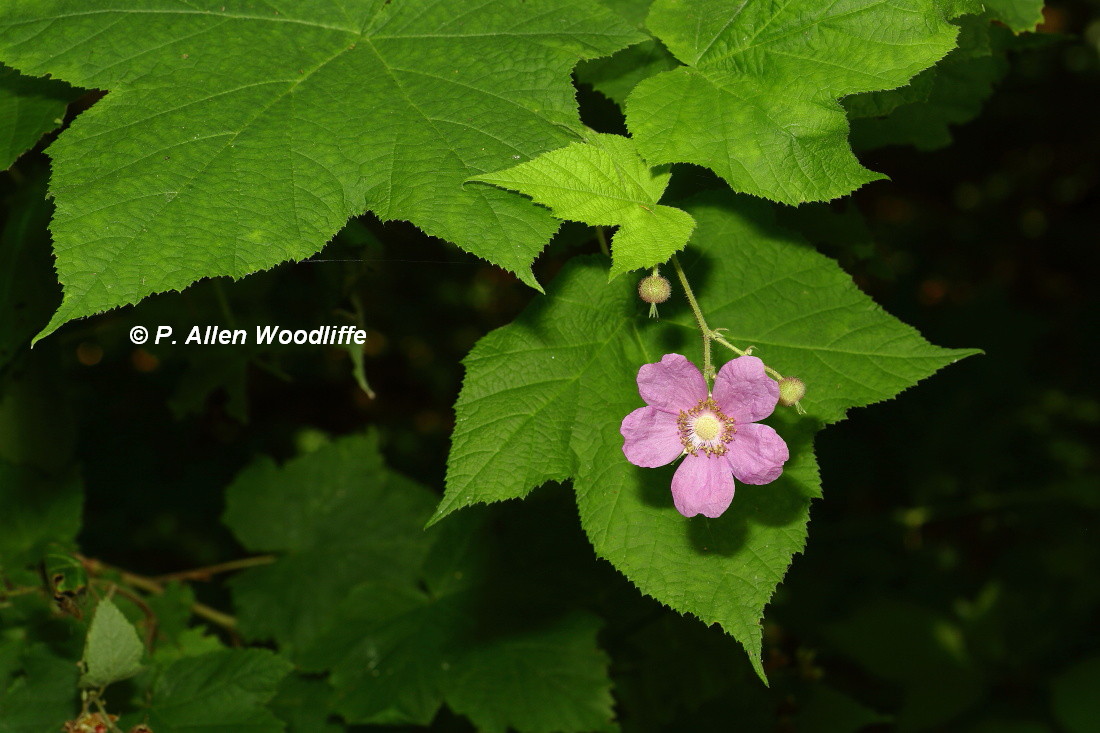
Purple Flowering Raspberry
 When I got to the 'point', it was clear that erosion was ongoing. There used to be a bench a short distance beyond and to the right of this Danger sign. This is the third bench in as many years, in three different locations, that has had to be rescued by park staff, which demonstrates the extent of the erosion. It isn't just occurring at one place. The erosion is partly due to the higher water levels this year, but also due to the presence of the large pier at Erieau which interrupts the normal water currents carrying sand.

The trail and road used to be here not that long ago!
There were a few butterflies.....I didn't see anything really unexpected, but the next two were nice and at least briefly cooperative for the camera.
Appalachian Brown

One of 5 Giant Swallowtails sipping nectar from Wild Bergamot
I explored other sections of the park, and got some photos of this Small Green Wood Orchid. It grows in wet areas on rotting logs, especially in some of the sloughs.


On another trail, I came across lots of White Vervain (Verbena urticifolia). Most people wouldn't give it a second glance let alone a first one, yet the tiny flowers, only a few millimetres across and appearing on long slender branches are simple but attractive.

I came across this tiny Orchard Spider feasting on its most recent meal.

And this is the time of year for one of Canada's rarest orchids to appear...the Nodding Pogonia (Triphora trianthophora), which as far as anyone knows, only occurs at Rondeau. I wrote a fairly extensive post about it previously, entitled: A highly endangered native orchid.

During one of my planned visits, I took park staff out to see it (it is so small and occurs in an out of the way place; none of the current park staff had ever seen it in real life before this day).

It is a bit of a hike to get to the location, crossing some of the deepest, darkest and swampiest woodland such as is shown in the image below, all the while fending off hordes of bloodthirsty mosquitoes. Other than the occasional park staff who I take to this favoured spot, I have never seen anyone else even close to it, and I love it!


And we saw plants with single flowers, doubles and the even rarer triple (from which it gets the 'Tri' part of its Latin name). I always hope to find ones that are strongly magenta in colour, but it seems that this year, for some reason, they are mostly white with just a slight tinge of magenta at best.