This past week has been National Pollinators Week. While many people think of the honey bee as a main pollinator, and it is a frequent one, it is not a native species. Fortunately there are myriad other pollinators, most of which are native, that will pollinate many different things. After all, if plants weren't pollinated, our choices of things to eat would be greatly reduced!
We are fortunate to have a twelve plot community garden in the municipal park behind our place. It is designed for individual gardeners to grow things for their tables. Sometimes surplus produce is donated to a local food bank.
The garden is coming along nicely, although with the relatively hot dry weather of late, gardeners must water their plot to ensure things continue to grow as planned.
There is lots of diversity of things planted, such as:
 |
Patty Pan
|
 |
| Peppers |
 |
| Potatoes |
Lots of one of my favourites....
 |
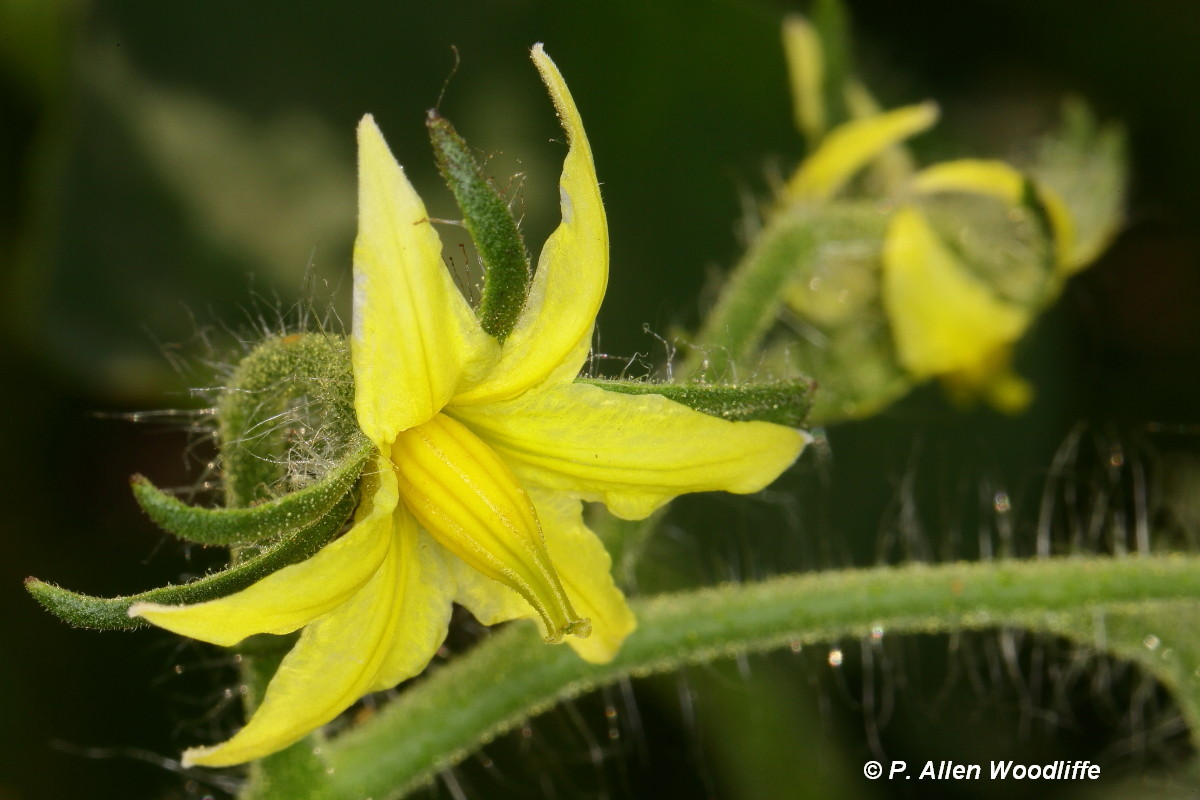
| Tomatoes |
...some of which are already well developed.
There are lots of other things, such as onions, garlic, zucchini, sweet potatoes, beets and others, as well as herbs such as dill and fennel.
Many of these items rely on pollinators to complete their growth and production. Undoubtedly some pollinators would find these plots even in their relative isolation, but in order to increase the chances of suitable pollinators, two of the twelve plots have been established as a pollinator patch. More than twenty species of mostly native prairie plants have been established in the pollinator patch, which will attract many hundreds of pollinators over the season. And as part of the life cycle of the pollinators, some will lay their eggs on the leaves and stems of the prairie plants. The young pollinators that emerge from the eggs will overwinter in the stems, so that they will be available for the next season's pollinating process. Therefore we do not 'clean up' the dead plant material until spring, so as to give the next generation of pollinators a chance to survive and be ready for pollinating in the subsequent year.
In this pollinator patch, there will be plants in flower and developing seed throughout the season. Right now the following species are in flower:
 |
Butterfly Milkweed
|
 |
Common Milkweed
|
 |
Oxeye, or False Sunflower
|
 |
Pale Purple Coneflower
|
This next one is mostly finished flowering.
 |
Foxglove Beardtongue
|
 |
Wild Bergamot
|
And here are some of the insect stars of the show:
 |
Eastern Calligrapher
|
 |
Milkweed Bug
|
This next one, a type of Lady Beetle, is native. So many of the Lady Bugs we commonly see are not native, but have been quite prolific.
 |
Ursine Spurleg Lady Beetle
|
 |
Long-legged Fly
|
If you look closely through some of the plants, you may see the face of a little critter staring up at you.
This is a Milkweed Longhorn Beetle, and it is one of the more common beetles I've seen lately.
Not all invertebrate creatures are pollinators, but may be something that feeds on them, such as this spider. I'm not sure what species it is yet, but I enjoyed watching it sit on the stem, then suddenly race out to attempt to grab a small fly type of insect, and then retreat to this spot to wait for the next potential victim.
All of the above were photographed in the last couple of days. Here are a few other garden creatures that I have photographed in this pollinator patch at other times.
The first one is a Carrot Seed Moth. Although most moths are night fliers, it has been recognized that regardless of the time of day or night, some moths play an important role as pollinators.
 |
Eastern Carpenter Bee
|
 |
Hyaline Grass Bug
|
 |
Pruinose Squash Bee
|
m.jpg) |
Seven-spotted Lady Beetle
|
It seems with the recent hot dry weather, pollinators and things like butterflies are less evident so far this year. Even things like Monarch butterflies, not a pollinator but certainly something that depends on plants, especially milkweeds, are not as plentiful as one expects. Some sources indicate that the overwintering numbers of Monarchs this past year in Mexico showed an increase from previous winters, suggesting the population of this Species At Risk was rebounding. I have seen a few here and there these last few weeks, but not a lot. Hopefully the weather adjusts to maximize the pollinators as well as Monarchs, if the weather is the difference maker and not the use of pesticides or other insect controlling technology.
Regardless, next time you enjoy those French Fries, tomatoes or whatever plant you are eating, take a moment to thank a pollinator for being able to do what they are designed to do!
If you would like to subscribe, or unsubscribe, to Nature Nuggets, send an email to: prairietramper@gmail.com




m.jpg)


