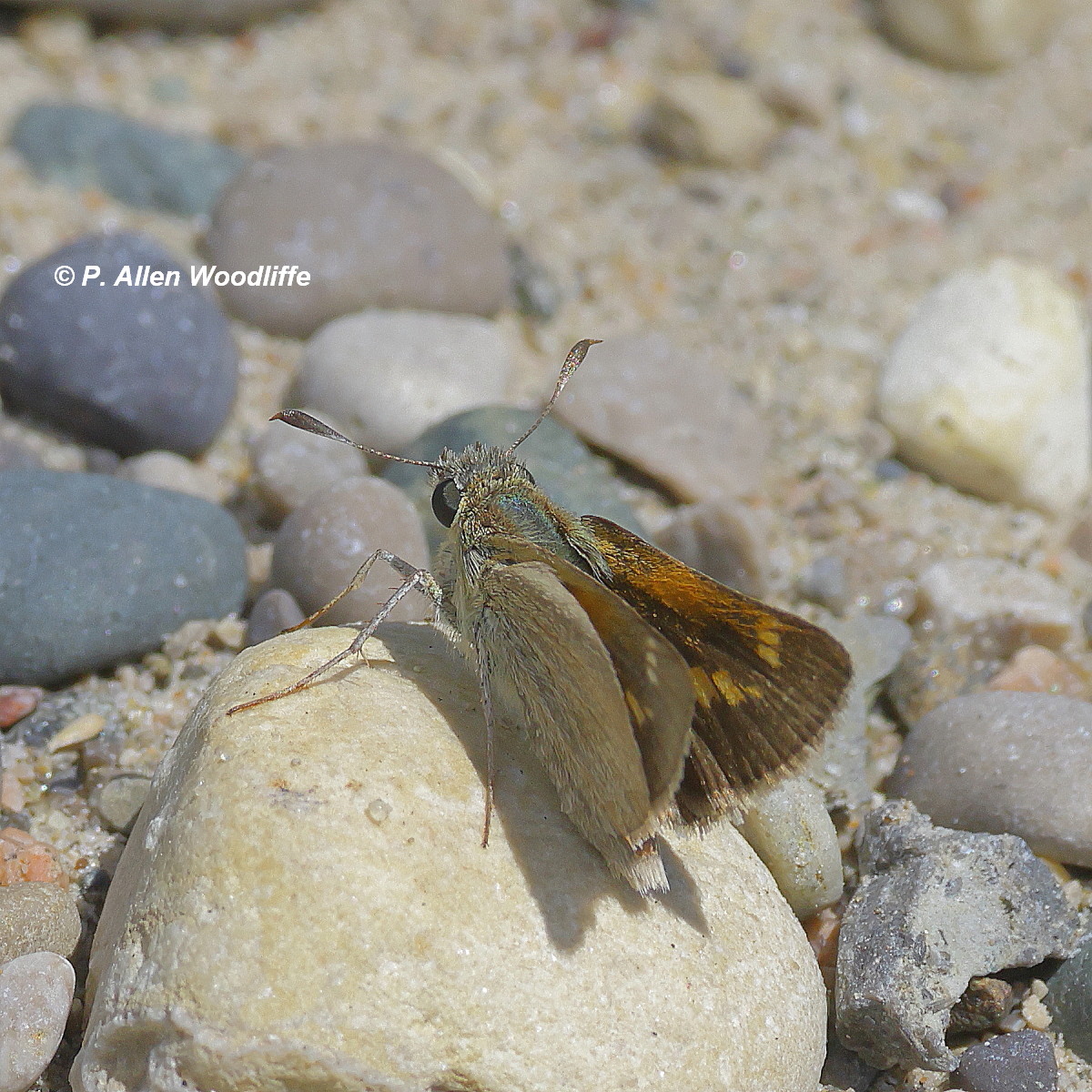
I've been to Rondeau a few times, but have spent more time exploring some of the wetland habitats along the Lake St. Clair shoreline. The openness and the photo opportunities are great, not to mention the gentle breezes mean fewer annoying insects!
St. Clair NWA is close to home, which is another advantage.
 |
| View from the tower, looking E | |
|
On the way to the tower, there are things along the way. A few Great Egrets can be seen, including some opportunistic ones if one is ready.
No, it didn't have a line attached to its foot :-), and fortunately I was out of range. It did swing by heading in the other direction, enabling me to get a closer photo.
There is a constant variety of wildflowers along the trail, which adds to the likelihood of finding butterflies.
 |
| Monarch on Joe-pye-weed |
 |
| Black Swallowtail on Milkweed |
Some other plants include:
 |
| Blue Vervain |
 |
| Buttonbush |
 |
| Water-willow |
 |
| Water-willow close-up |
 |
| Giant Foxtail |
This next one is probably Grass-leaved Arrowhead, but it is similar to other members of the
Sagittaria genus, so may be another one. At any rate, it is abundant.
Next is Missouri Ironweed, a tallgrass prairie species at risk. Of course tallgrass prairie dominated the area adjacent to the Lake St. Clair wetlands, so some species like this have lingered, or have been augmented through planting.
The flowers of this species has around 40 individual florets, which can help separate it from another species which usually has less than 30. Also the bracts at the base of the flower head are pointed, but do not have an extended tip, as other ironweed species do.
A few birds may cooperate for the camera.
 |
| Backlit Eastern Kingbird |
 |
| Green Heron | | | | |
Sandhill Cranes are usually somewhere around, and sometimes are only heard as they are hidden by the tall wetland vegetation, and don't often stick close by when hikers are within view. Flybys are much more common.
Dragonflies are frequent, but typically in flight. On occasion one may catch one resting for a better view, as this Halloween Pennant is doing.
Double-crested Cormorants are usually somewhere around, and typically in a dead tree closer to the lake.
This photo from the tower, looking towards the lake, shows the above tree at the extreme left edge of the photo. You may have to click on the photo to get it larger before you can see them!
I've also been to the Mitchell's Bay North Shore Trail on occasion. At the end of the trail which goes through the Cadotte wetland, there are always some things to enjoy. An immature Bald Eagle is in a tree at the edge of the wetland...
...and after a short time, decided it was time to move on.
This Belted Kingfisher stopped by for a few moments.
Along another edge of the trail, the section that goes towards the village of Mitchell's Bay, provides a good spot for a family of Common Gallinules to search for a meal. There are two adults and at least 4 young in this photo.
Along the trail one can find a lot of wildflowers. Again, this area at the time of settlement was partly wetland and partly tallgrass prairie, which would have varied depending on the naturally fluctuation of the Lake St. Clair water levels. While the wetlands have been retained in part, the presence of the tallgrass prairie plants is less certain due to the changes. However some representative species, such as this American Senna, have been planted, as have a multitude of grasses.
In some of the dead trees, Great Egrets will hang out....
...until they decide to come to the wetlands in search for food. Of course no one who reads
Nature Nuggets very often would have any idea that I enjoy photographing Great Egrets.....:-).
With the shallow and somewhat muddy shoreline, it has attracted shorebirds, such as this Greater Yellowlegs.
In another dead tree, there are typically a lot of swallows resting in between feeding flights. Sometimes there may be several hundred of them, and at times, mostly Purple Martins.

Another shorebird, this Short-billed Dowitcher, is using the shoreline edge.
And as is typical along the marshes of Lake St. Clair, Swamp Rose Mallow is widely scattered, and sometimes quite abundant. It is a species at risk, but one wouldn't know it by their abundance here.
Sooo many things to see and photograph. The next post will likely feature some recent findings at Rondeau!
If you would like to subscribe, or unsubscribe, to Nature Nuggets, send an email to: prairietramper@gmail.com